 Nova Hair
 Grey and Silver Hair Extensions: The Underserved Market
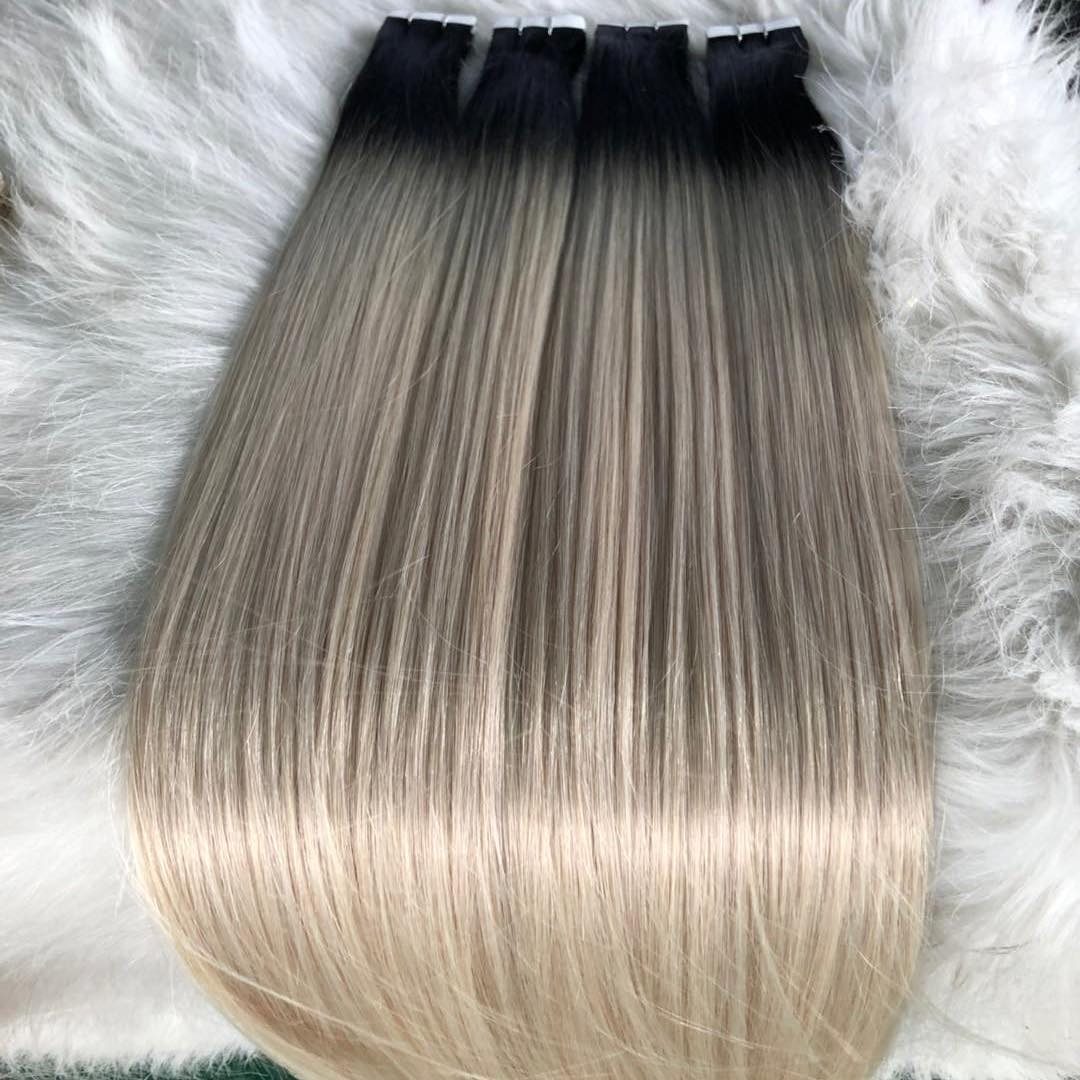
Grey and silver is the corner of the extensions market that almost every catalogue skips, and that gap is the whole point. Demand is climbing while genuine natural-grey supply stays structurally thin. For a reseller, that mismatch is where margin lives. This is the data behind it and how to position the category.
Is there really a market for grey hair extensions?
Yes, and it rests on a supply-demand gap that most vendors ignore. Interest in natural silver and salt-and-pepper hair is rising through a documented cultural shift, while the pool of genuine grey donor hair stays small for structural reasons. That combination, real demand meeting thin authentic supply, is the definition of an underserved category and a premium wholesale opportunity for a manufacturer that can actually source and produce it.
Before pricing the opportunity, it helps to correct a myth that distorts how people picture grey hair in the first place, because the reality makes fully-silver donor hair rarer than folklore suggests.
How many people actually go grey by 50?
Far fewer than the popular saying claims. The well-known “50-50-50 rule,” that 50% of people have 50% grey hair by age 50, is an overestimate. A worldwide survey of 4,192 healthy volunteers by Panhard, Lozano and Loussouarn, published in the British Journal of Dermatology in 2012, found that only about 6% to 23% of people show at least 50% grey coverage at age 50, varying by ethnic and geographic origin and natural colour.
The same study puts the fuller picture this way: between ages 45 and 65, 74% of people were affected by some grey, at a mean intensity of about 27%. The authors’ own conclusion is that the widely held 50-50-50 view “seems to be an overestimation.” Men grey more than women, and people of Asian and African descent grey less than those of Caucasian descent at comparable ages. In other words, most greying heads are partly grey, and a fully silver head of dense hair is genuinely uncommon.
That distinction matters for sourcing. This data measures the degree of greying in the population, not who is willing to sell their hair, but it establishes the starting point: the raw material for authentic grey extensions is scarcer at the head than most people assume.
Why is natural grey donor hair so scarce?
Natural grey donor hair is scarce because the people who have it are the least available donor group in the supply chain. Industry educators such as Mandeville London and Arrow Exim describe the same structural picture: naturally silver-haired people are typically older, tend toward lower hair density and thinner, often shorter hair as they age, are more prone to thinning and loss, and are the demographic least likely to sell their hair for money.
Stack those factors together and genuine grey gets collected in far smaller quantities than pigmented hair, which is why it commands a premium. These are trade sources rather than independent supply-chain audits, so treat the reasoning as industry-reported. It is consistent, though, and it lines up with the dermatology data above: if fully-silver heads are uncommon to begin with, and that population is the hardest to collect from, natural grey supply is thin by structure, not by accident. As Mandeville London frames it, demand is high and supply is low for natural silver hair.
Are grey extensions dyed or naturally grey?
Most “grey” extensions on the market are not naturally grey at all. Because authentic grey donor hair is so hard to gather, the majority of grey and silver product sold is dark hair that has been bleached and toned to silver rather than collected grey. That is not inherently a problem, and bleached-to-silver hair has its place, but it means the label “grey” rarely tells a buyer what they are actually getting.
This is exactly where the market gap sits. Authentic natural grey and salt-and-pepper hair is the underserved product, because so little of what carries the name is the real thing. A reseller who can clearly distinguish genuine natural grey from dyed-silver, and stock both honestly, is selling something most catalogues cannot.
Why is demand for grey hair rising now?
Demand is rising because of a visible, widely reported cultural movement toward embracing natural grey. The shift gained real momentum during the 2020 to 2021 pandemic lockdowns, when cancelled salon appointments let roots grow out and many women chose not to resume dyeing. Major outlets including The Washington Post, TIME, Fortune and AARP documented the trend between 2020 and 2022 and its persistence afterward.
This is a documented cultural movement, not a quantified market figure, so it belongs in your pitch as a trend rather than a statistic. Paired with the supply side, though, the direction is clear: more consumers actively want to look silver or blend their own greys, while the authentic material to serve them stays scarce. For salons and brand owners, that is a customer base asking for a product the wider market underserves.
How do you sell into the grey and silver gap?
You sell into it by treating authentic natural grey and salt-and-pepper as a premium specialty line, not an afterthought colour. The demographics tell you who the end client is: older consumers with partial greying, roughly the 27% mean intensity the dermatology data describes, who want extensions that blend salt-and-pepper rather than a flat silver wig. Blending matched grey and salt-and-pepper hair into naturally greying hair is a specific service salons can charge well for, and it needs matched stock to do properly.
For a reseller, the positioning writes itself: rising demand plus genuinely thin supply equals a category with room to price on scarcity and quality instead of racing competitors to the bottom. A manufacturer that can source and produce natural grey and salt-and-pepper alongside dyed-silver options lets you serve both the shopper who wants the real thing and the one who just wants the look. Nova Hair Factory sorts, washes, wefts, and colours hair in its own workshop, which is what lets us build a dedicated grey and silver collection rather than treating grey as one more dyed shade.
If your buyers also want silver achieved by lightening, that runs on the same clean-blonde base as the rest of our colour collection, so you can offer a full grey-to-silver range from one supplier and match tones across the line.
Frequently asked questions
Are there real natural grey human hair extensions?
Yes, but they are uncommon because genuine grey donor hair is collected in small quantities. Most grey product sold is dark hair bleached and toned to silver, so authentic natural grey is the scarcer, premium option and worth sourcing deliberately.
Where does natural grey donor hair come from?
It comes from older donors whose hair has greyed naturally, which is precisely why it is scarce. That group tends toward lower density and thinner, shorter hair and is least likely to sell, so genuine grey is gathered in far smaller volumes than pigmented hair.
Why are grey and silver hair extensions so expensive?
Genuine grey is expensive because the donor pool is small and unwilling, so authentic material commands a premium. Even bleached-to-silver hair takes extra processing and toning to reach a clean, even silver without damage.
Can you get hair extensions to match grey hair?
Yes. Matched salt-and-pepper and natural grey stock lets a salon blend extensions into a client’s own greying hair, which is the service most end clients with partial greying actually want rather than a uniform silver.
Talk to the factory
Nova Hair Factory is a Vietnamese manufacturer in Bắc Ninh, and we film orders being packed and run a bleach test on camera before payment. To see current grey and silver stock, request a live factory video call, or talk pricing and MOQ, message us on WhatsApp at +84 36 216 7992. Explore the grey and silver collection or the wider colour collection to build a full range.