 Nova Hair
Grey and Salt-and-Pepper Hair Extensions: A Buyer's Guide
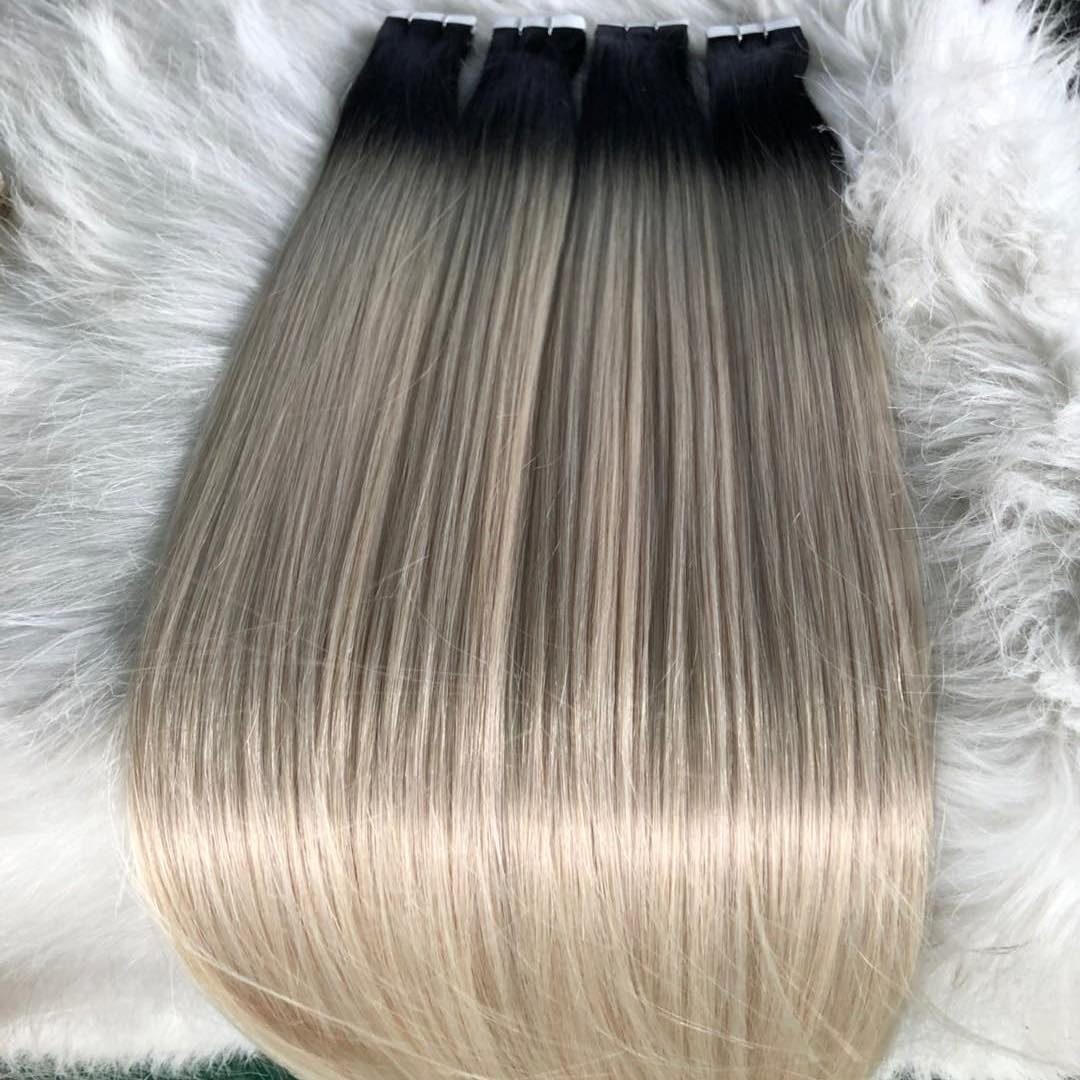
Grey and salt-and-pepper hair extensions let you add length, volume, or coverage without dyeing over your natural silver — the key is matching your exact mix of grey to white and choosing real human hair that blends instead of sitting on top. Most extensions are made for pigmented hair, so genuine grey and salt-and-pepper pieces are hard to find, which is exactly why getting the match right matters more here than in any other shade.
The essentials: identify your blend of grey, silver, and darker strands; match to your mid-lengths and ends, not the root; choose human hair so it tones and styles like your own; and pick the attachment method that suits how much you want to add. This guide walks through each decision.
Match your exact blend of grey
Grey hair is rarely one flat colour — it’s a mix of white, silver, steel, and darker strands, and the ratio is what makes your hair yours. A “salt-and-pepper” piece that’s mostly white won’t blend with hair that still carries plenty of dark, and vice versa. Hold a few strands of your own hair against a sample in natural daylight and match the overall tone where the extension will sit — the mid-lengths and ends — rather than the root, which is usually a little darker. Because screens distort colour badly, judge from a physical sample, not a phone photo. Our colour guide explains reading tone in more detail.
Human hair, not synthetic
For grey especially, real human hair is worth it. Synthetic grey fibre tends to look flat and slightly shiny in a way that reads as “wig,” catches light wrong, and can’t be toned if it yellows. Genuine human hair carries the subtle variation of real silver, can be gently toned if it picks up brassiness, and styles with heat like your own hair. It also lasts far longer, which matters because grey is a piece you’ll wear often. If you’re weighing the difference, our guide to raw vs virgin vs Remy hair covers what the quality terms actually mean.
Clip-ins, wefts, or a topper?
How you attach depends on what you need. Clip-ins are the easiest for length and volume you put in and take out yourself daily — no commitment, no salon. Wefts (sewn or taped in) suit those who want a semi-permanent result styled by a stylist. A topper is the answer if your concern is thinning or coverage on top rather than length — it clips over a specific area and blends into your own hair. If coverage is your goal, see our guide to hair toppers for thinning hair.
Get the blend truly invisible
Three habits make grey extensions disappear. Match to the ends and let the piece be very slightly lighter rather than darker, since grey hair reads lighter toward the ends. Blend by taking a little of your own hair over the top layer of the extension so the transition is hidden. And if your silver has gone slightly yellow or the extension is a touch too bright, a gentle purple toning product brings both to the same clean tone. Done well, no one can tell where your hair ends and the piece begins.
Frequently Asked Questions
Can you get grey and salt-and-pepper hair extensions in real human hair?
Yes, though they’re less common than pigmented shades because most extensions are made for coloured hair. Genuine human-hair grey and salt-and-pepper pieces exist and are worth seeking out, because they carry the natural variation of real silver, can be toned if they yellow, and style with heat like your own hair — none of which synthetic grey fibre does well.
How do I match grey hair extensions to my hair?
Match to the mix of white, silver, and darker strands in your mid-lengths and ends, not the root, and judge against a physical sample in natural daylight rather than a phone photo. Salt-and-pepper blends vary a lot, so matching the ratio of grey to dark is what makes the piece disappear into your own hair.
Do grey hair extensions turn yellow?
Grey and silver hair — real or added — can pick up a yellow or brassy tone over time from products, water, and the environment. A gentle purple toning shampoo or treatment neutralises it and brings your natural hair and the extension back to the same clean tone. Human-hair pieces tone well; synthetic fibre usually cannot be corrected.
What’s the best way to cover thinning grey hair on top?
A hair topper is usually best for coverage on top, because it clips over the specific area and blends into your surrounding hair, unlike clip-ins or wefts which mainly add length. Choose a topper that matches your grey blend and the right base size for your area of thinning, in human hair so it tones and styles naturally.
Shop grey and salt-and-pepper hair
Nova Hair Factory makes grey and salt-and-pepper pieces in real human hair — a genuinely under-served shade — as clip-ins, wefts, and toppers. Browse the grey and silver collection, or message us on WhatsApp at +84 36 216 7992 to order or ask for a colour-match.