 Nova Hair
 How Hair Distributors Source Wholesale: A Buyer's Playbook
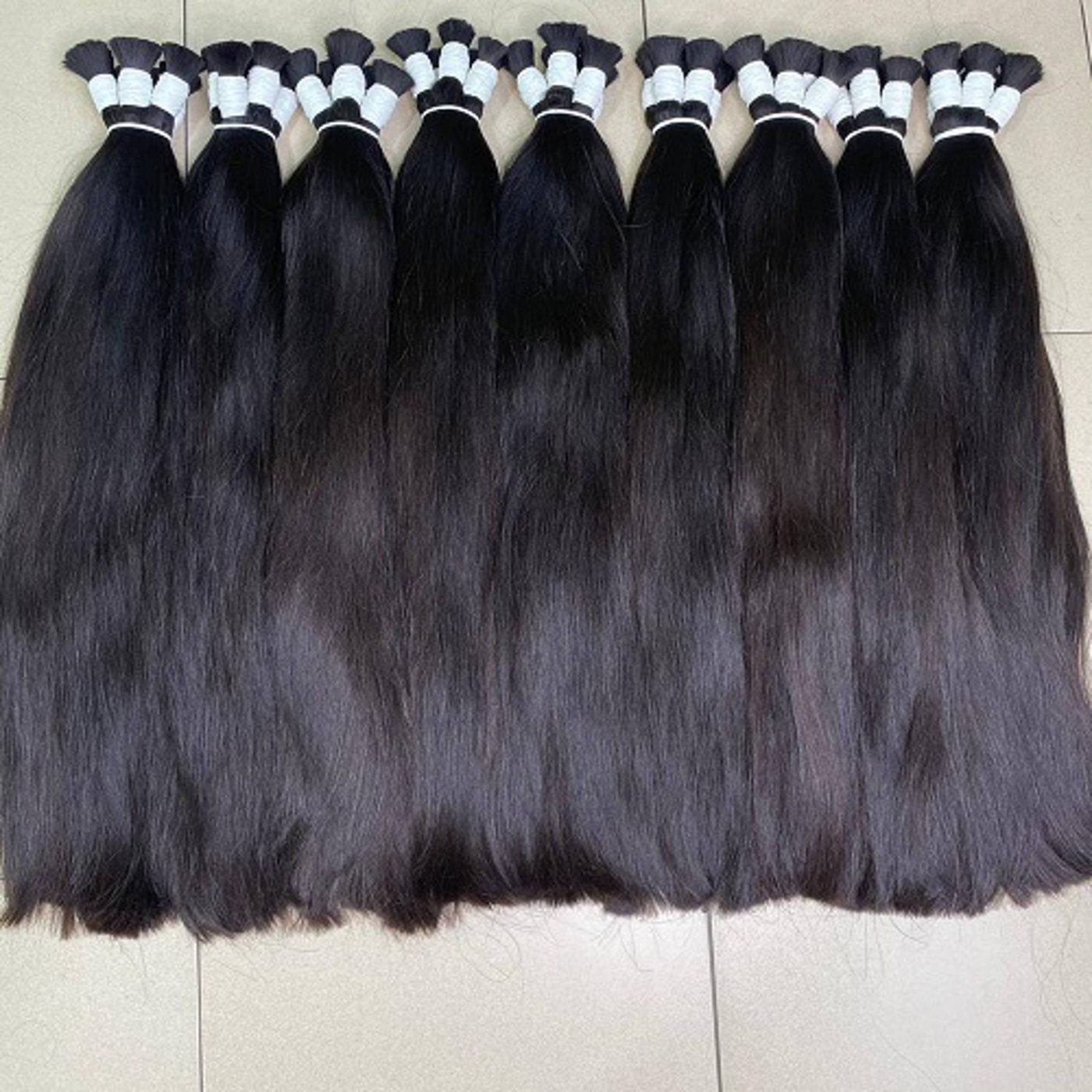
A hair distributor sources wholesale by vetting the factory with samples and quality checks first, then negotiating MOQ and price tiers, agreeing shipping terms and payment, and — most important — locking in a supplier who can reorder to the same standard month after month. Buying at distributor scale is less about finding the cheapest bundle and more about securing a consistent, dependable supply you can resell on without surprises.
Quick orientation: sample and QC before you commit volume, understand the price tiers your quantity unlocks, agree clear shipping and payment terms, and judge a factory on reorder consistency above all. This playbook is written for buyers who import to resell to salons and smaller shops, not for one-off orders.
Distributor sourcing is different from reseller sourcing
A reseller buys a handful of bundles to fill orders; a distributor commits to volume and then has to move it, so the risks are different. Your money is tied up in inventory, your customers expect the same product on every reorder, and a bad batch multiplies across everyone you supply. That changes what matters: consistency, lead times, and the factory relationship outrank a few dollars of unit price. If you are earlier in the journey, our guide to ordering hair wholesale covers the fundamentals first.
Sample and QC before volume
Never place a volume order on a factory you have not tested. Order samples across the products you plan to carry, run a bleach test to confirm the hair lifts cleanly, and check wefts, weight, and texture against what was promised. Ask for the same QC on the production run — photos or video of your actual order being packed — so the volume matches the sample. Vetting the factory itself is covered in how to find a hair vendor.
MOQ, price tiers, and margin
Minimum order quantity and price tiers set your economics. Higher volumes lower the per-unit cost, but they also tie up more cash and carry more risk if the product does not move, so match your order to real, tested demand rather than the biggest discount. Ask the factory to lay out the tiers clearly — what quantity unlocks what price — and build your resale margins from the landed cost, not just the quoted unit price. Freight, duties, and payment fees all belong in that calculation.
Shipping, incoterms, and lead times
Agree who is responsible for what before you pay. International orders ship by express courier (DHL, FedEx) for speed or freight for larger volumes, and the incoterms decide where the factory’s responsibility ends and yours begins. Confirm lead time for production plus transit, so you can promise realistic dates to your own customers, and factor customs clearance and duties in your destination country into both cost and timing.
Build a reliable reorder supply
The whole game at distributor scale is a supplier who reorders to the same standard, because your customers are buying consistency from you. Favour a factory that colours and produces in-house against an approved standard, keeps batches matched, and communicates clearly when something will be late. A slightly higher unit price from a consistent factory beats a cheap one that varies batch to batch, because inconsistency costs you customers downstream. For buyers building a brand on top of a steady supply, a private label or OEM arrangement turns that supply into something you own.
Frequently Asked Questions
What is the difference between a hair distributor and a reseller?
A reseller buys small quantities to fill individual orders, while a distributor imports volume and supplies it on to salons and smaller shops. The distributor carries more inventory risk and depends on batch consistency and reliable lead times, so factory reliability and reorder consistency matter more to a distributor than a marginally lower unit price.
How do you vet a hair factory before a large order?
Order samples across the products you plan to carry, run a bleach test to confirm quality, and check weight, wefts, and texture against what was promised. Then require the same quality control on the production run — photos or video of your order being packed. Vetting the factory this way before committing volume prevents a bad batch from reaching all of your customers.
What are incoterms in hair wholesale?
Incoterms are standard trade terms that define who is responsible for shipping, insurance, customs, and duties at each stage between the factory and your door. Agreeing them upfront tells you exactly where the factory’s responsibility ends and yours begins, so there are no surprises on cost or liability when the order ships.
Should distributors always take the biggest MOQ discount?
Not automatically. Larger volumes lower the per-unit cost but tie up more cash and increase the risk if the product does not sell. The right order size matches tested demand, so you capture a good price without overstocking textures or lengths your customers do not buy. Base the decision on real sell-through, not the discount alone.
Source volume from a consistent factory
Nova Hair Factory produces the full wholesale range from single-donor Vietnamese hair, colours in-house against an approved standard for batch consistency, and films a bleach test before you pay. For distributors building their own label, we offer OEM and private label production. Message us on WhatsApp at +84 36 216 7992 to discuss volume pricing and samples.