 Nova Hair
 Wig Density Explained: 130% vs 150% vs 180% and Who Buys Each
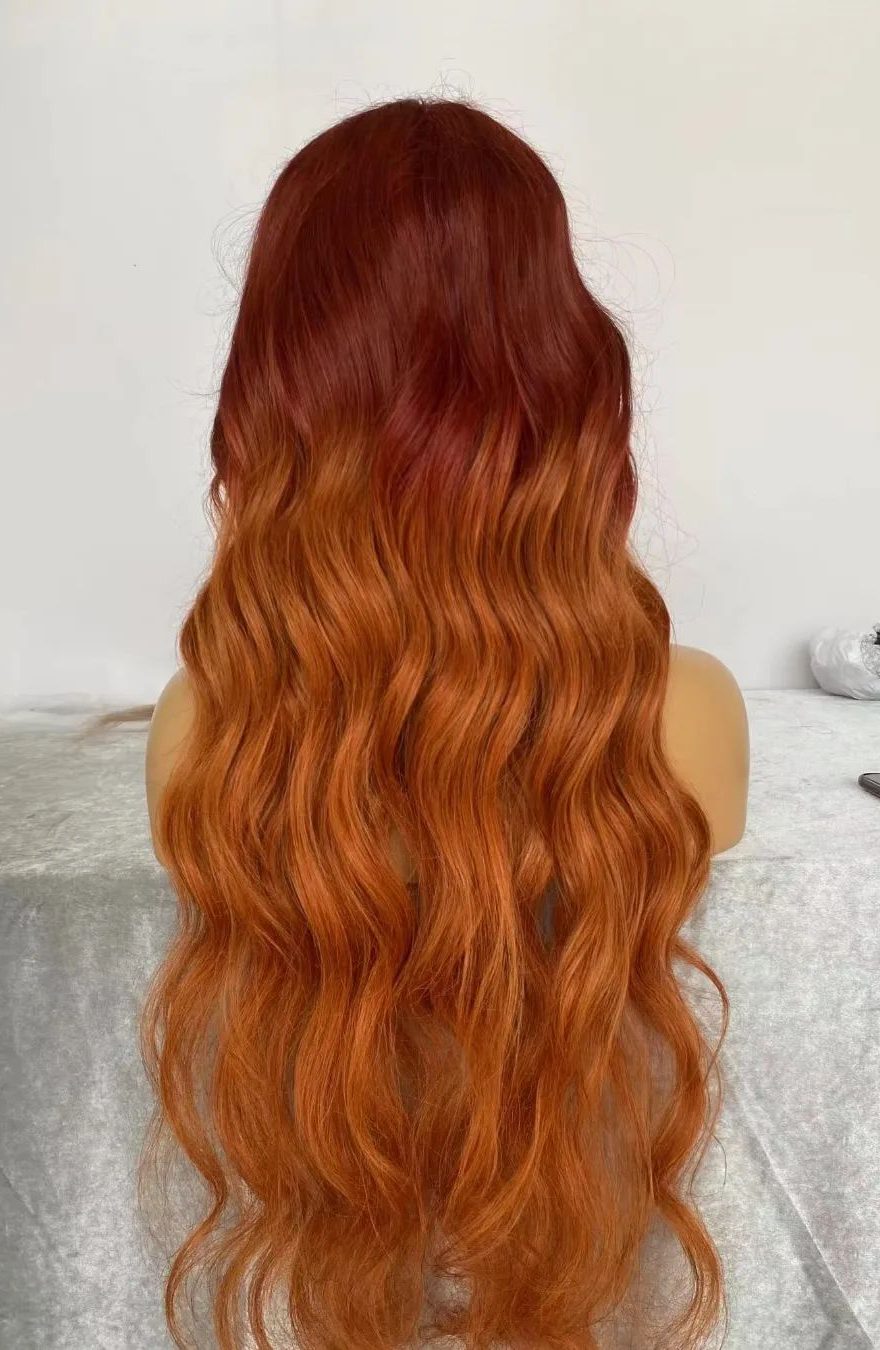
Wig density is how much hair is added to the cap, expressed as a percentage: 130% is natural and everyday, 150% is full but still believable and the most popular all-rounder, and 180% and above are thick and glamorous for bold or performance looks. Density is separate from length and texture — it controls how full the wig looks — so matching it to how the client wears the wig is what makes it read as natural hair rather than obviously a unit.
Quick orientation: 130% for the most natural, 150% for full-yet-natural and broad appeal, 180%+ for volume and drama. Stock 150% as your core, offer 130% for natural-look clients and 180% for those who want thickness, and explain the trade-off to buyers.
What density actually measures
Density describes the amount of hair on the cap relative to a natural head of hair, not the length or the texture. A higher percentage means more hair and a fuller, thicker appearance; a lower percentage looks closer to average natural density. Because it is independent of length and texture, the same wig style can be ordered in different densities, and the right choice depends on the look the client wants and how natural they need it to appear.
130% density: natural and everyday
130% is a natural, everyday density that mimics an average head of hair. It suits clients who want a wig no one can tell is a wig, older clients, and anyone after a subtle, believable look rather than volume. It is the most understated option and the safest for a first-time wig wearer who wants realism over drama. If a customer’s priority is “looks like my own hair,” 130% is usually the answer.
150% density: the popular all-rounder
150% is full but still natural, and it is the most popular density because it balances realism with a fuller, more styled appearance. It gives enough body for most styles without tipping into obviously heavy, which is why it works for the widest range of clients and is the safe default to stock deepest. When a buyer is unsure what to order, 150% is the recommendation that satisfies most customers.
180% and above: thick and glamorous
180%, 200%, and higher densities deliver thick, voluminous, glamorous hair. They suit clients who want big, bold styles, curly and wavy looks that eat volume, and performers or content creators who want maximum impact on camera. The trade-off is that very high density can look less natural in everyday settings and uses more hair, so it is a deliberate style choice rather than a default. Stock it for the clients who specifically want drama.
How to stock density
Make 150% your core inventory because it satisfies the most customers, then carry 130% for natural-look clients and 180% for those who want volume. Density pairs with texture: curly and wavy wigs carry visual volume, so a mid density can look full, while straight styles show density more plainly. Advise buyers on the trade-off between realism and fullness, and let repeat orders tell you how deep to go in each density.
Frequently Asked Questions
What wig density looks the most natural?
130% density looks the most natural because it mimics an average head of hair, making it ideal for clients who want an undetectable, everyday result. 150% is also natural while fuller, and it is the most popular choice. Densities of 180% and above look thicker and more glamorous but less like average natural hair.
What does 150% density mean on a wig?
150% density means the wig has about one and a half times the hair of an average natural head, giving a full but still believable appearance. It is the most popular density because it balances realism with body and styling versatility, which is why many resellers stock it as their core option.
Which wig density is best for everyday wear?
For everyday wear, 130% and 150% are best: 130% for the most natural, understated look, and 150% for a fuller appearance that still reads as natural. Very high densities like 180% and above can look heavy in daily settings and are usually chosen for bold or performance styles rather than routine wear.
Does density change with texture?
Density and texture are separate, but they interact visually. Curly and wavy textures carry more apparent volume, so a mid density can look full, while straight hair shows the actual density more plainly. When advising a client, consider both together — a curly 150% wig looks fuller than a straight one at the same density.
Source wigs in the right density
Nova Hair Factory produces wigs, frontals, and closures in a range of densities and textures from single-donor Vietnamese hair, filmed before you pay. For your own branded units, see our OEM and private label service. Message us on WhatsApp at +84 36 216 7992 to discuss density options and samples.