 Nova Hair
 How to Price Hair Bundles for Resale (With Margins)
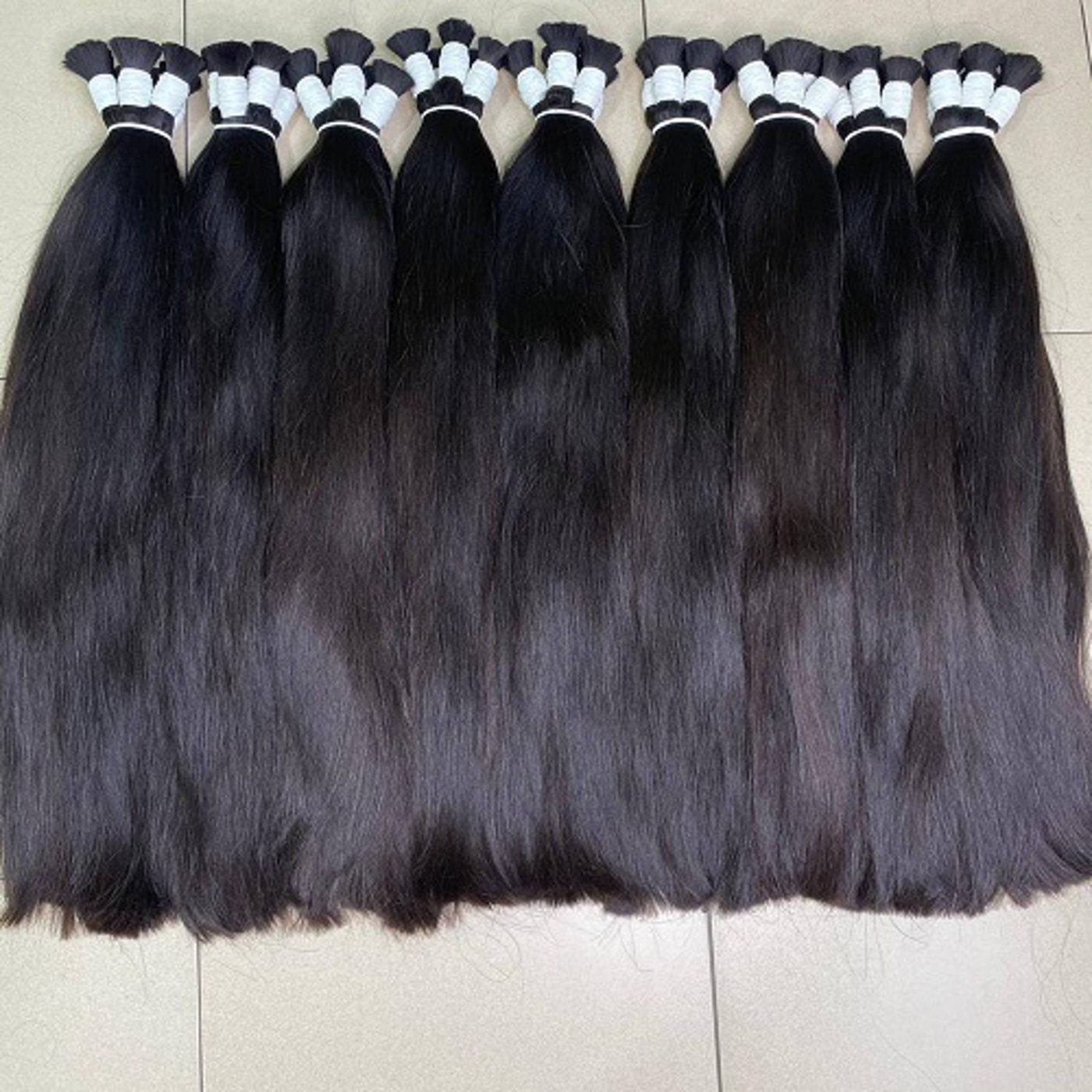
Price hair bundles for resale by starting from your true landed cost, adding the margin your positioning supports, and refusing to compete on price with sellers whose hair fails a bleach test. The mistake most new resellers make is pricing just above their cost to win on price, which traps them against scammers selling fake hair cheaper, on a race they cannot win. Quality hair sold with proof and service commands a higher price, and that is the position worth building.
The framework: calculate your full cost per bundle including shipping and fees, decide your markup based on how you position the brand, then set a price that leaves healthy margin and room for the occasional discount. Do not anchor to the cheapest seller in your feed, because that seller is usually selling something you do not want to be compared to.
Start from your true cost, not the bundle price
Calculate your full landed cost per bundle before you set any price, because the wholesale price is only part of what a bundle costs you. Your true cost includes the bundle price, international shipping and any customs or duties, payment processing fees, packaging, and the cost of the samples and returns that come with doing business. Resellers who price off the bundle price alone quietly lose money on shipping and fees. Add every cost first, then price from there. Buying factory-direct keeps that base cost lower by removing the reseller markup you would otherwise pay.
Choose a markup that fits your positioning
Set your markup based on how you position the brand, not on a single industry rule. A reseller positioned as a premium, proof-driven brand supports a higher markup than one competing on volume, because customers pay for trust, service, and consistency. Rather than chase a specific percentage that some blog claims is standard, decide what your brand is worth to your customers and price to it. Higher margin also gives you room to absorb a return, run a launch offer, or reward a repeat buyer without going underwater. The point of margin is resilience, not greed.
Do not compete on price with scammers
Refuse to price against sellers whose hair fails a bleach test, because that is a race to the bottom you lose either way. There will always be someone selling “raw” hair cheaper, and it is almost always processed hair that will tangle and shed. If you drop your price to match them, you erase your margin and attract customers who only care about price and never return. Instead, justify your price with proof: bleach tests, real results, and service. Educate buyers on raw vs virgin vs remy hair so they understand what the cheaper option really is.
Build in room for the realities of resale
Price with enough margin to survive the realities of the business: returns, samples, discounts, and the occasional bad batch. Thin margins collapse the first time a customer returns an order or a shipment has a problem, while healthy margins let you handle those without panic and keep serving the customer. Factor in the free samples you send to close wholesale buyers and the launch discounts that build early momentum. Margin is what lets you run the business like a business rather than lurching from order to order.
How pricing supports growth
Good pricing funds the trust-building that actually grows a hair brand. The margin you protect is what pays for proof content, fast service, quality packaging, and the samples that win repeat buyers, all of which we cover in how to grow a hair business online. Underpricing to win on price starves the very things that would let you grow. Price for health, deliver quality and proof, and let the brand compound.
Frequently Asked Questions
How do you price hair bundles for resale?
Price hair bundles by calculating your full landed cost per bundle, including shipping, duties, fees, and packaging, then adding a markup that fits how you position the brand. Set a price that leaves healthy margin for returns, samples, and the occasional discount. Do not price against sellers whose hair fails a bleach test, since that is a race to the bottom.
What is a good profit margin on hair extensions?
A good margin is one that fits your positioning and leaves room for returns, samples, and discounts, rather than a single fixed percentage. Premium, proof-driven brands support higher margins because customers pay for trust and service; volume sellers run thinner. The goal is margin that makes the business resilient, not the smallest markup that wins on price.
Should I match competitors’ hair prices?
No, do not match the cheapest competitors, because the sellers underpricing you are usually offering processed hair that fails a bleach test. Matching them erases your margin and attracts customers who only care about price. Justify your price with proof of quality and service instead, and educate buyers on what the cheaper option really is.
What costs should I include when pricing hair?
Include the bundle price, international shipping, customs or duties, payment processing fees, packaging, and the ongoing cost of samples and returns. Pricing off the bundle price alone hides real costs that quietly erode profit. Calculate the full landed cost per bundle first, then add your markup on top of that complete figure.
Price from a lower factory cost
Healthy margin starts with a lower base cost, and buying factory-direct removes the reseller markup. Nova Hair Factory sells Vietnamese raw bundles and bulk hair direct from Bắc Ninh, with quality you can verify by a bleach test on camera. Message us on WhatsApp at +84 36 216 7992 for the price list and samples.