 Nova Hair
 Private Label Hair: How to Build Your Own Brand
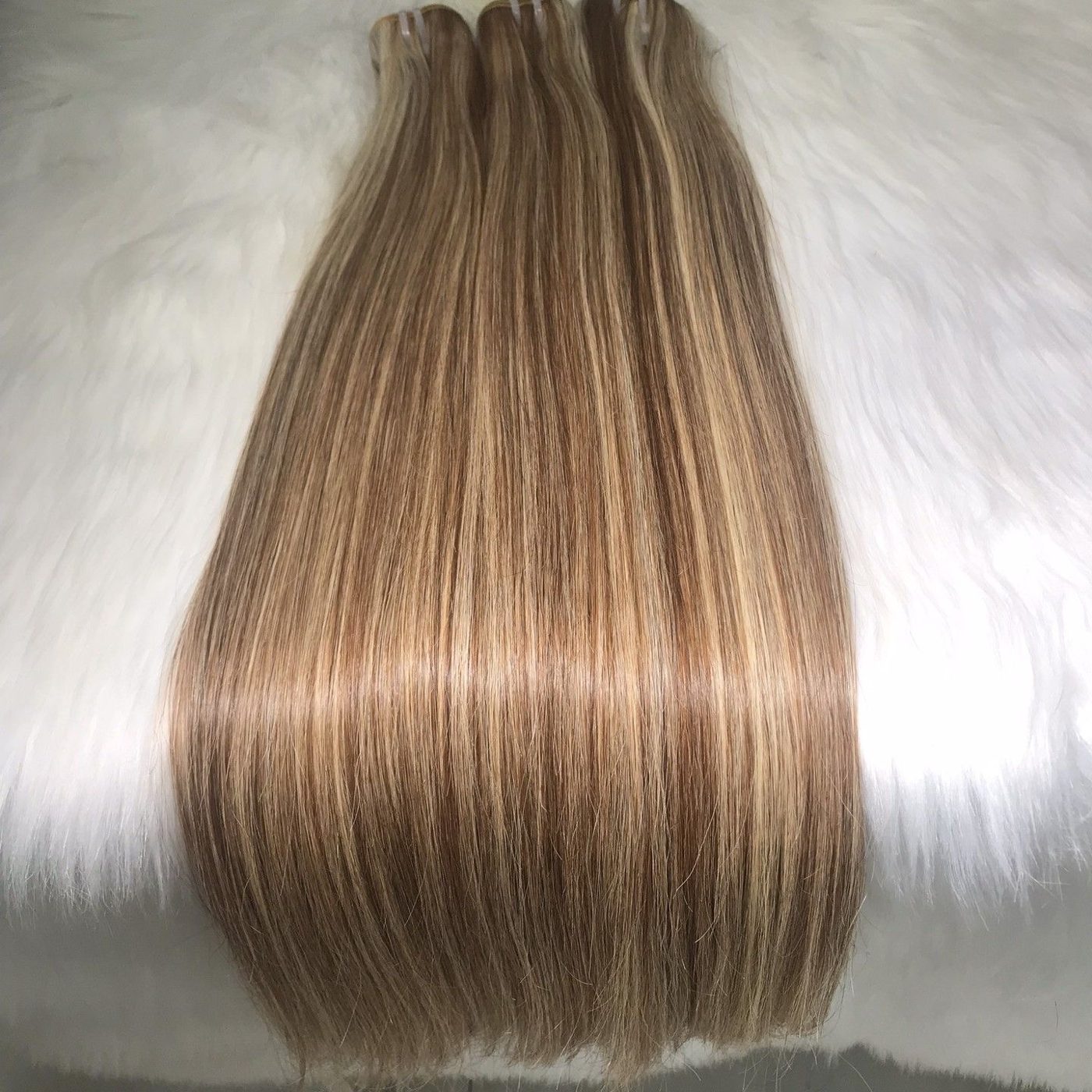
Private label hair is how a reseller stops competing on price and starts building something worth more than the bundles inside the box. Instead of selling the same unbranded hair as everyone else, you put your name, your packaging, and your standards on a product a factory makes for you. The mechanics are simpler than most people expect, and you do not need a warehouse or a large budget to begin.
Here is the core distinction, self-contained: private label means a factory applies your brand to its ready-made hair; OEM means the factory produces hair to your own specification; ODM means the factory designs the product and you brand it. All three let you sell under your name. Which one fits depends on how much you want to customize and how much volume you can commit to.
Why private label hair is worth it
Branding is what lets a hair seller escape a race to the bottom on price. Human hair makes up the majority of a large and growing market: according to Grand View Research, the human-hair segment accounted for about 65.6% of the global hair wigs and extensions market in 2025, a market it valued at roughly US$15.2 billion and projected to reach US$31.1 billion by 2033. In a category that size, unbranded resellers all sell the same thing and compete only on price. A brand gives customers a reason to come back and pay more, which is the whole point.
You do not need to manufacture anything to own a brand. The factory makes the hair; you own the relationship with the customer, the packaging, and the reputation. That split is why a hairpreneur working from home can build a label that outsells a bigger reseller with no identity.
Private label vs OEM vs ODM: which model fits?
The three models differ by how much of the product is yours versus the factory’s. Choosing the right one saves you from paying for customization you do not need or committing to volume you cannot move.
Private label (also called white label). The factory has a ready-made product, and it applies your brand, labels, and packaging. This is the fastest and lowest-commitment way to launch, because you are not changing the product itself, only the identity on it. Best for resellers who want to launch quickly with proven hair.
OEM. The factory produces hair built to your specification, from length and colour to density and tip type, with no factory branding anywhere. This gives you a product competitors cannot buy off the shelf, at the cost of higher minimums and longer lead times. Best for brands ready to differentiate on the product, not just the packaging.
ODM. The factory designs a product and you put your brand on it, somewhere between the other two. Best when you want something a step beyond stock hair but do not want to engineer it yourself.
Most new brands start with private label and move toward OEM as they grow and learn what their customers reorder.
What is MOQ, and how does it affect your launch?
MOQ, or minimum order quantity, is the smallest amount a factory will produce or ship in a single order. It matters because it sets the cash you need to launch and the risk you carry in unsold stock. Lower MOQs let you start small and test, but they usually carry a higher per-unit cost and sometimes a setup fee, because short production runs are less efficient for the factory. Higher MOQs lower your per-unit cost but tie up more cash upfront.
Ignore any blog that quotes a single “standard” MOQ as gospel, because it varies widely by factory, product, and how much customization you want. The number that matters is the one your factory quotes you for your specific order, which is a conversation, not a published figure.
What can you customize?
You can brand and customize hair at several levels, and knowing the levers helps you decide between private label and OEM. The main ones:
- Packaging and labels: your logo on the bundle wrap, hang tags, boxes, and inserts. This alone turns stock hair into a branded product.
- Length and texture: custom lengths and the texture range your customers actually buy.
- Colour: custom shades matched to a swatch, from naturals to the full blonde scale. Nova produces these in its colour collection.
- Density and construction: for wigs and wefts, the density and cap or weft type.
- Tip and cap type: for extensions and units, the specific system your stylists install.
Start with packaging if your budget is tight, then add product-level customization as your brand finds its niche.
How to start a private-label hair brand
Begin with a small sample order, not a big custom run, because the factory relationship is the foundation of everything else. Order samples, run a bleach test to confirm the hair is what the factory claims, then decide on private label or OEM based on what your customers want. From there you register the business, set up an online storefront, and design packaging. If you are earlier than this, our guide to starting a hair extension business covers the full sequence, and how to find a hair vendor covers vetting the factory itself.
The order of operations matters: lock in a supplier you trust before you spend a dollar on branding, because a beautiful box around bad hair is a fast way to lose a customer for good.
Frequently Asked Questions
What is private label hair?
Private label hair is hair a factory produces and then brands with your name, labels, and packaging, so you can sell it as your own product. You do not manufacture anything; you own the brand and the customer relationship while the factory makes the hair. It is the fastest way to launch a branded hair line.
What is the difference between OEM and private label?
Private label puts your brand on a factory’s ready-made product, while OEM has the factory build the product to your own specification with no factory branding. Private label is faster and lower-commitment; OEM gives you a product competitors cannot buy off the shelf but usually requires higher minimums. Most brands start with private label.
What is the MOQ for private label hair extensions?
MOQ, the minimum order quantity, varies by factory, product, and customization level, so there is no single standard figure. Lower MOQs let you start small at a higher per-unit cost; higher MOQs lower the unit cost but need more cash upfront. Ask your factory for the MOQ on your specific order.
Can I put my logo on hair extensions?
Yes, you can put your logo on the packaging, bundle wraps, hang tags, and inserts through private label, and on custom product specifications through OEM. Packaging branding is the lowest-cost way to start, and most factories that sell wholesale, including Nova, offer it. Ask what branding options come with a wholesale order.
Build your brand with a factory partner
Your brand is only as good as the hair inside the box, so start with a factory you can verify. Nova Hair Factory produces the full wholesale range in Bắc Ninh, supports private-label packaging and custom colour, and runs a bleach test on camera before you pay. Message us on WhatsApp at +84 36 216 7992 for a sample and to talk through custom and private-label options for your line.