 Nova Hair
 How to Start a Hair Extension Business (Step by Step)
To start a hair extension business, pick a niche, lock in a reliable supplier before anything else, build a simple brand and online storefront, then handle the legal setup and start marketing. The order matters. Most people who fail start with a logo and a website and treat the hair as an afterthought, which is backwards. Your supplier decides whether customers come back, so that is where the real work goes.
Quick answer: Starting a hair extension business means choosing a specific customer, sourcing real human hair from a vendor you have sample-tested, packaging it under your own brand, selling it through a storefront (your own site or a marketplace), and registering the business so you can operate and pay tax. Sourcing is the make-or-break step, so decide it first.
Is a hair extension business worth starting in 2026?
It is, because the market is large, growing, and concentrated in places you can sell to. According to Arizton, the US hair wigs and extensions market was valued at USD 2.79 billion in 2023 and is expected to reach USD 6.34 billion by 2029, at a 14.69% CAGR. The US is the primary buyer market, which is good news if you are selling online in English. Globally, Grand View Research estimates the hair wigs and extensions market at USD 15.22 billion in 2025, heading toward USD 31.13 billion by 2033.
Two more numbers shape the strategy. Grand View Research puts human hair at 65.6% of the market in 2025, so this is a real human-hair business, not a synthetic one, if you want repeat customers. And the barrier to entry is low: you do not need a salon, a warehouse, or staff to begin. That low barrier is also the catch. Anyone can start, so the businesses that last are the ones with a supplier nobody else can match. Before you spend a dollar on branding, read our guide to finding a hair vendor, because everything below assumes you have a real one.
Step 1: How do you choose a niche?
Choose a niche by picking a specific customer and a specific problem, not by trying to sell every texture to everyone. A niche is what lets a new brand compete against established sellers, because you can be the obvious choice for one group instead of a forgettable option for all of them. Blonde and #613 specialists, curly and kinky textures for natural-hair wearers, salon-only wholesale, clip-ins for beginners, luxury raw single-donor: each of these is a lane with its own customer and price expectation.
Pick the lane you can speak to credibly. If you are a stylist, sell what you install. If you have a curly-hair audience already, do not fight to be a bone-straight brand. Your niche also narrows your sourcing, which makes vendor conversations sharper. A factory can quote you faster when you say “I need double-drawn body wave, 18 to 24 inch, for a blonde clientele” than when you say “send me everything.”
Step 2: How do you find a reliable supplier?
You find a reliable supplier by sampling several manufacturers and testing the hair before you commit, because supplier quality is the single biggest driver of customer satisfaction. This is the step that decides your business, so give it the most time. Human-hair quality varies significantly by batch and origin, which means you cannot judge a vendor from photos or a single sample. Order from two or three, compare the same length and texture side by side, and run a bleach test on each.
Buy as close to the factory as you can. Every reseller between you and the workshop adds margin and removes traceability. A manufacturer can film your order being packed, run a bleach test on camera, and show you the workshop on a live call, which a middleman cannot. That is the difference between a supplier who protects your brand and one who is just moving boxes.
What kind of hair should you sell?
Sell real human hair, and be specific about what “real” means. Raw hair is single-donor and unprocessed, virgin is unprocessed but may be steam-treated, and remy is cuticle-aligned but may be multi-donor and lightly processed. Those distinctions matter to customers who have been burned before, and being able to explain them is part of your brand. Vietnamese raw hair is a strong starting product because it is prized for strength, softness, cuticle alignment, and a clean lift to blonde, and it can last one to three years with proper care. Our post on why brands switch to Vietnamese raw hair covers the structural reasons.
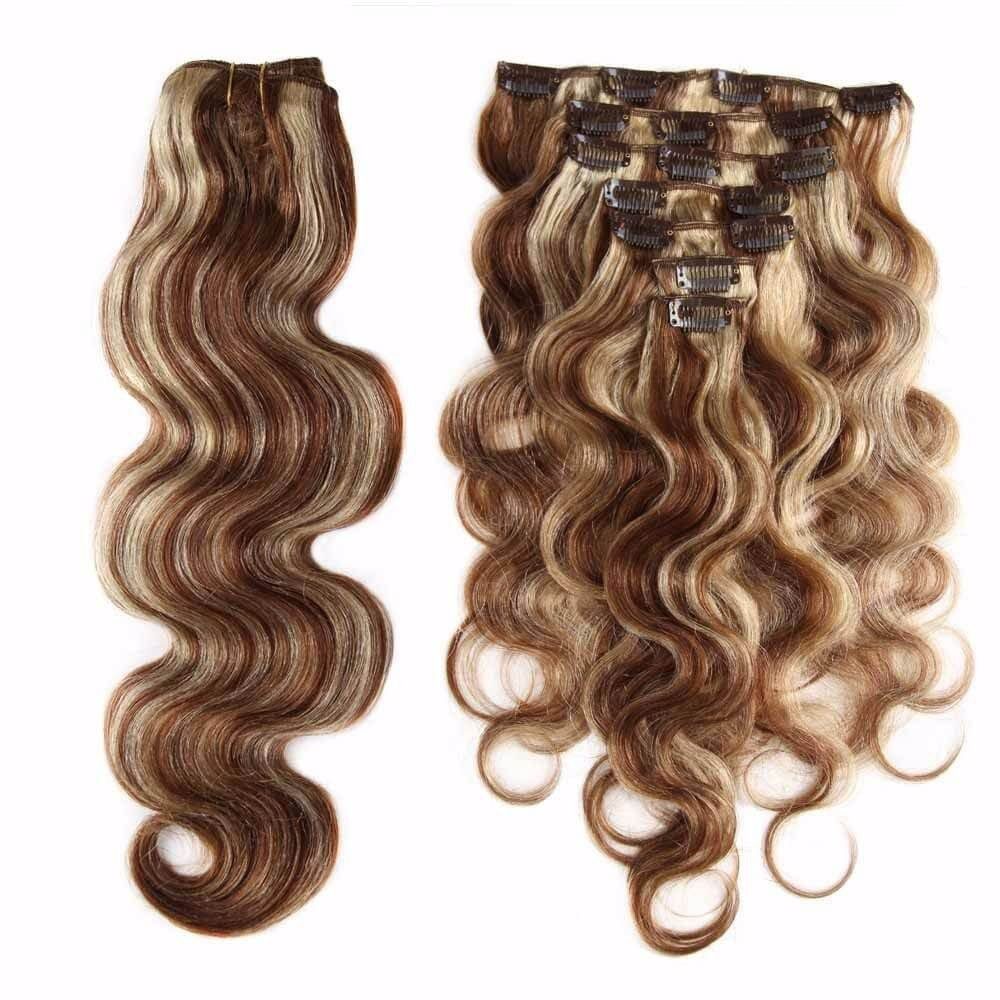
For product mix, you can start narrow and widen later. The virgin raw bundles are the core, bulk hair suits wig makers, and clip-ins and ponytails are an easy entry product for beginner customers because they need no installation.
Step 3: How do you build a brand?
Build a brand by deciding who you are for and making every touchpoint say it consistently. Branding is not just a logo. It is your name, your packaging, your photography, your voice, and the promise you keep about quality. For a hair business, the promise usually lives in proof: showing where the hair comes from, showing the bleach test, showing real installs on real clients. That is what separates a brand from a dropshipper reselling the same anonymous bundles as everyone else.
Private label is the fastest route to a real brand, because a factory applies your name and packaging to proven products so you are not designing hair from scratch. If you want to go further, custom labels, boxes, and specs are all on the table. We cover the whole approach in our private label hair guide. The short version: your logo on a bundle is what lets you charge for a brand instead of competing only on price.
Step 4: How do you set up an online storefront?
Set up a storefront where your customers already shop, and keep the first version simple. For most new hair businesses that means a Shopify or similar site you control, sometimes alongside a marketplace or social-shop presence to catch discovery traffic. Your own site protects your margins and your customer relationships; a marketplace gives you reach but takes a cut and owns the buyer. Many sellers run both, using the marketplace to find customers and the site to keep them.
Whatever you choose, lead with proof, not stock photos. Product pages that show the actual hair, the bleach test, and real results convert better than generic imagery, because your customers have been misled before and are scanning for signs you are different. Good photography and honest video are worth more than a fancy theme.
Step 5: What legal setup do you need?
You need to register your business, get a tax ID, and check licensing rules where you operate, because selling legally and handling tax properly protects everything you build. In the US that typically means forming an LLC or similar entity, getting an EIN, and checking whether your state or city requires a seller’s permit or business license. Rules vary by country and region, so confirm the specifics for where you live rather than assuming. This is worth getting right early. It is far cheaper to register properly at the start than to untangle tax and liability once you have real revenue.
Sourcing is usually the easier half of the legal picture. Most factories will send samples and take a trial order without demanding your paperwork first, so you can validate the product before you incorporate. The licensing that matters most is on your selling side.
Step 6: How do you get your first customers?
You get your first customers by putting proof in front of the exact niche you chose. Marketing a hair brand runs on before-and-after content, install videos, bleach-test footage, and reviews from real buyers, distributed where your customer spends time (Instagram and TikTok for most, salon networks for wholesale). Consistency beats polish here. A steady stream of honest content from a small brand outperforms occasional glossy campaigns.
Start with people you can reach directly: stylists you know, a small audience you already have, or a first batch of customers you can over-serve so they become references. Early reviews and repeat orders are the fuel for everything after, which loops back to step two. If the hair is not good, no amount of marketing saves you.
How much does it cost to start a hair business?
It costs less than most people expect, because you can start with a small trial order instead of bulk inventory. Your real early costs are a sample round from a few vendors, a first trial order from the winner, a basic storefront, and business registration. You do not need a warehouse or staff to begin. Exact hair costs depend on the lengths, textures, and drawn types you choose, so pricing and MOQ are shared on WhatsApp once we know what you are building. Keep your first order small on purpose. The goal at the start is to prove the product and your vendor, not to fill shelves.
Frequently Asked Questions
How much does it cost to start a hair business?
Less than most assume, because you begin with a trial order rather than bulk stock. Budget for a sample round from two or three vendors, a first small order, a simple storefront, and business registration. There is no warehouse or staff cost to start. Hair pricing and MOQ depend on your specs, so those are shared on WhatsApp.
Is a hair extension business profitable?
It can be, and the market supports it: Arizton values the US hair wigs and extensions market at USD 2.79 billion in 2023, rising toward USD 6.34 billion by 2029. Profitability comes down to sourcing good hair cheaply enough to brand and mark up, and keeping customers through quality. A weak supplier kills margins through returns and lost repeat sales.
Do I need a license to sell hair extensions?
Usually yes on the selling side: most places require a registered business and a tax ID, and some require a seller’s permit or license. Rules vary by country and region, so confirm locally. You generally do not need a license just to order samples or a trial batch from a factory.
How do I start a hair business with no money?
Start as lean as possible: begin with the smallest viable trial order, sell through a free or low-cost storefront and social channels, and use pre-orders or early sales to fund the next batch. You cannot skip real hair, since quality is what earns repeat customers, but you can start small and reinvest instead of buying bulk inventory up front.
Where do I buy hair to resell?
Buy from a manufacturer you have sample-tested, as close to the factory as possible, so you cut reseller margins and keep traceability. Our finding a hair vendor guide walks through vetting factories versus resellers. Nova Hair Factory sells raw and virgin bundles, wefts, tips, tape-ins, colour, and clip-ins wholesale from Bắc Ninh, Vietnam.
Ready to source your first order?
The step that decides your business is your supplier, so start there. Message Nova Hair Factory on WhatsApp at +84 36 216 7992, tell us your niche and the lengths and textures you want to test, and we will send stock videos, pricing and MOQ, and set up a live factory tour. Start with a small trial order, watch us pack and bleach-test it on camera, and scale once the hair earns it.