 Nova Hair
 Why Do Hair Extensions Tangle (and How to Stop It)
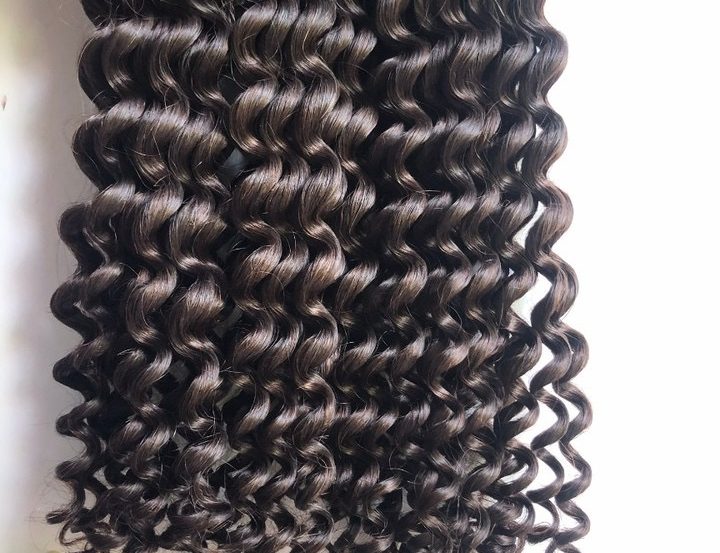
Hair extensions tangle for two main reasons: the hair is low quality with a damaged or misaligned cuticle, or good hair is being dried out and roughed up by poor care. The first cause is a supplier problem you fix by buying better hair; the second is a routine problem you fix by changing how you wash, brush, and sleep. Knowing which one you have saves you from blaming your care for hair that was never going to behave, or blaming the hair when the routine is the culprit.
In short: non-remy hair with clashing cuticles tangles no matter what you do, while quality cuticle-aligned hair tangles only when it dries out, sits under friction, or is left unbrushed. Diagnose the cause first, then apply the fix.
The number one cause: non-remy hair
The most common reason extensions tangle badly is that the hair is non-remy, meaning its cuticles run in different directions and catch on each other. When hair is collected off brushes and floors and mixed together, the cuticles clash, and no amount of silicone coating hides that once it washes out. This hair tangles within weeks and cannot be fixed, because the problem is structural. It is also the hair most often sold as “raw” at raw prices, which is why the bleach test and buying genuine raw or remy hair matter so much. If new hair tangles no matter how you treat it, the hair is the problem.
Dryness
Quality hair tangles when it dries out, because extension hair has no scalp oils to keep it smooth. Dry hair roughs up at the cuticle and catches on itself, so the fix is moisture: sulfate-free shampoo, conditioning the lengths, and not over-washing. Sulfate shampoos and frequent washing are the fastest ways to dry extensions out, so cutting both usually solves dryness-driven tangling. Our guide to caring for extensions covers the full routine.
Friction
Friction from cotton and from rubbing tangles even good hair over time. The main culprits are cotton pillowcases, which catch the hair as you move at night, and rough towel-drying. Switching to a silk or satin pillowcase reduces friction because the smoother surface lets hair glide rather than snag, a benefit dermatologists point to for reducing mechanical stress on hair during sleep. Pressing water out with a towel instead of rubbing, and tying the hair back before bed, cuts friction tangling further.
Not brushing enough
Extensions tangle when they are left unbrushed, because small tangles compound into matting. Brushing at least twice a day with a loop or extension brush, from the ends up, keeps tangles from building. Brushing before bed and before washing matters most, since those are the moments hair is about to be under friction or water. Rough brushing at the roots, on the other hand, creates its own damage, so support the hair at the root and work the ends first.
How to stop extensions tangling
Fix tangling by matching the fix to the cause:
- Tangles from day one, no matter what: the hair is non-remy. Replace it with quality cuticle-aligned hair.
- Dry, rough hair: switch to sulfate-free products, wash less often, condition the lengths.
- Tangles overnight: use a silk or satin pillowcase and tie the hair back before bed.
- Matting between washes: brush twice daily from the ends up with the right brush.
- Tangles at the bonds: keep oils and conditioner off the bonds and dry them fully.
Frequently Asked Questions
Why do my hair extensions keep tangling?
Extensions keep tangling either because the hair is non-remy with clashing cuticles, or because good hair is drying out and facing friction from poor care. If the hair tangles from day one regardless of care, the hair is the problem. If it started smooth and tangles now, look at dryness, cotton pillowcases, and infrequent brushing.
How do you stop hair extensions from matting?
Stop matting by brushing at least twice a day from the ends up with a loop brush, keeping the hair moisturized with sulfate-free products, using a silk or satin pillowcase, and tying the hair back before bed. If the hair mats no matter what you do, it is likely non-remy and should be replaced with cuticle-aligned hair.
Does non-remy hair always tangle?
Yes, non-remy hair tangles because its cuticles run in different directions and catch on each other, a structural problem no care routine fixes. Silicone coatings mask it briefly, then it tangles within weeks once they wash out. Cuticle-aligned remy or raw hair is the only reliable fix.
Do silk pillowcases help with extension tangling?
Yes, silk and satin pillowcases help because their smoother surface reduces the friction that roughs up and tangles hair overnight, compared with cotton. Dermatologists point to lower friction as reducing mechanical stress on hair during sleep. It is a small change that noticeably reduces overnight matting, especially combined with tying the hair back.
Buy hair that does not tangle
The permanent fix for tangling is cuticle-aligned hair. Nova Hair Factory produces single-donor Vietnamese raw bundles and remy extensions with aligned cuticles that resist tangling and shedding. We run a bleach test on camera so you can confirm quality before you buy. Message us on WhatsApp at +84 36 216 7992 for samples.