 Nova Hair
Best Hair Extensions for Thin or Fine Hair
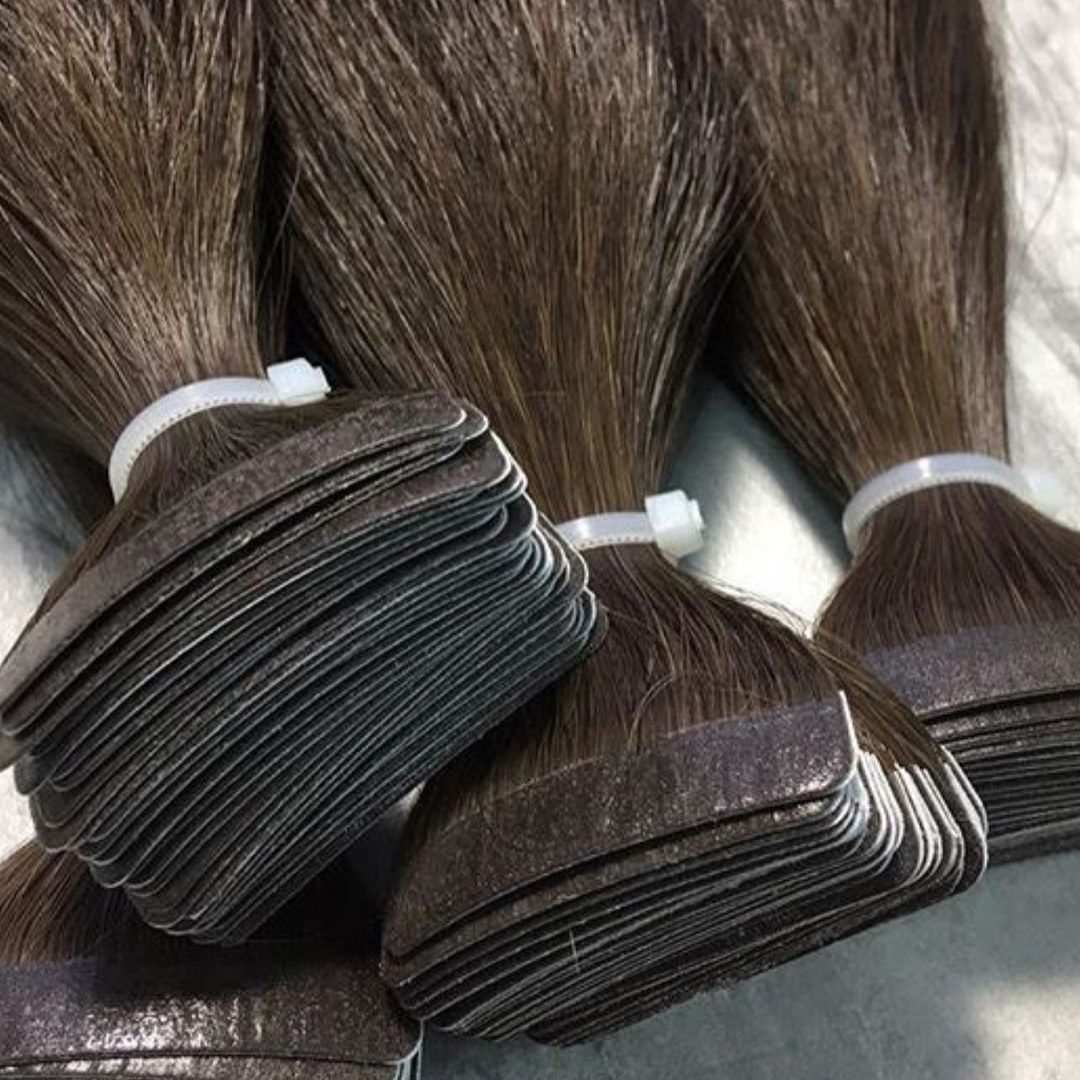
The best hair extensions for thin or fine hair are lightweight methods that spread weight gently and stay invisible against sparse hair — usually tape-ins or clip-ins, in a modest amount of hair rather than maximum length. Fine hair can’t carry heavy extensions or hide bulky attachments, so the goal is adding natural-looking volume and length without stressing your hair or showing where the extensions sit.
Quick orientation: prioritise low weight, choose a method that lies flat and hides easily, don’t overload, and use fine, smooth human hair. Here’s what works for thin and fine hair, and what to avoid.
Why weight and method matter most
Fine hair has thinner, more fragile strands and less of them, so two things matter above all: how much the extensions weigh, and how well the attachments hide. Heavy extensions pull on delicate strands and can cause breakage over time, and bulky attachments show through sparse hair. The best methods for fine hair are therefore light, spread the load, and lie flat against the head. Going for dramatic length or density at once is the most common mistake — build up gradually instead.
Tape-ins: often the best choice
Tape-in extensions are frequently the top pick for fine hair because each wefts’ weight is spread across a wider, flat attachment rather than concentrated on a small bond. They lie close to the head, hide well under even thin hair, and distribute tension gently. Applied by someone who places them well, tape-ins add believable volume without the pulling that heavier methods can cause. See how they compare in our guide to keratin tips vs tape-ins vs wefts.
Clip-ins: the gentlest and most flexible
Clip-ins are the gentlest option because you put them in and take them out yourself, so there’s no lasting tension on fine hair. For thin hair, choose clip-ins with smaller, lighter wefts and position them where you have enough hair to hide the clips. They’re ideal if you want volume for an event or occasional wear rather than every day, and they carry no risk of long-term stress on fragile strands.
What to avoid with fine hair
Heavy wefts, thick bonded sections, and too much hair are what fine hair can’t handle — they add weight delicate strands can’t bear and show through sparse coverage. Avoid going for maximum length in one go. Also avoid poor-quality hair that tangles, because the friction drags on your own fine strands. If you’re worried about safety, our guide on whether extensions damage hair explains how to wear them without breakage.
Choose fine, smooth human hair
For thin hair, the extension hair itself should be fine and smooth so it blends with your natural texture rather than overwhelming it, and cuticle-aligned human hair so it doesn’t tangle and pull. Matched to your colour at the mid-lengths and kept to a sensible amount, the right human hair gives fine hair natural-looking fullness that no one can detect.
Frequently Asked Questions
What are the best hair extensions for fine hair?
Tape-ins and clip-ins are usually best for fine hair because they’re lightweight and spread or avoid tension. Tape-ins lie flat and distribute weight over a wide area, hiding well under thin hair; clip-ins carry no lasting tension because you remove them daily. Both work best with a modest amount of fine, smooth human hair rather than maximum length.
Can you wear extensions if you have thin hair?
Yes, as long as you choose lightweight methods and don’t overload your hair. Fine hair can carry tape-ins or clip-ins in a sensible amount comfortably, adding volume and length without stress. The key is avoiding heavy wefts, bulky bonds, and too much hair, which fragile strands can’t support and sparse coverage can’t hide.
Will extensions make thin hair look fuller?
Yes — the right lightweight extensions add volume and density that make thin hair look fuller, as long as the attachments stay hidden and the amount suits your hair. Tape-ins and clip-ins in fine, matched human hair blend with your natural texture. Overloading or using bulky attachments has the opposite effect, showing through sparse hair.
Do extensions damage thin hair?
They can if they’re too heavy or applied too tightly, because fine strands are more fragile. But chosen and worn correctly — a light method, a modest amount, proper maintenance, and gentle removal — extensions are safe for thin hair. Using smooth human hair that won’t tangle and drag also protects your natural strands.
Shop lightweight human hair for fine hair
Nova Hair Factory makes fine, smooth, cuticle-aligned human hair in gentle tape-ins and clip-ins that suit thin hair. Browse the full range, or message us on WhatsApp at +84 36 216 7992 to order or ask which option fits your hair.