 Nova Hair
Can Hair Extensions Damage Your Hair?
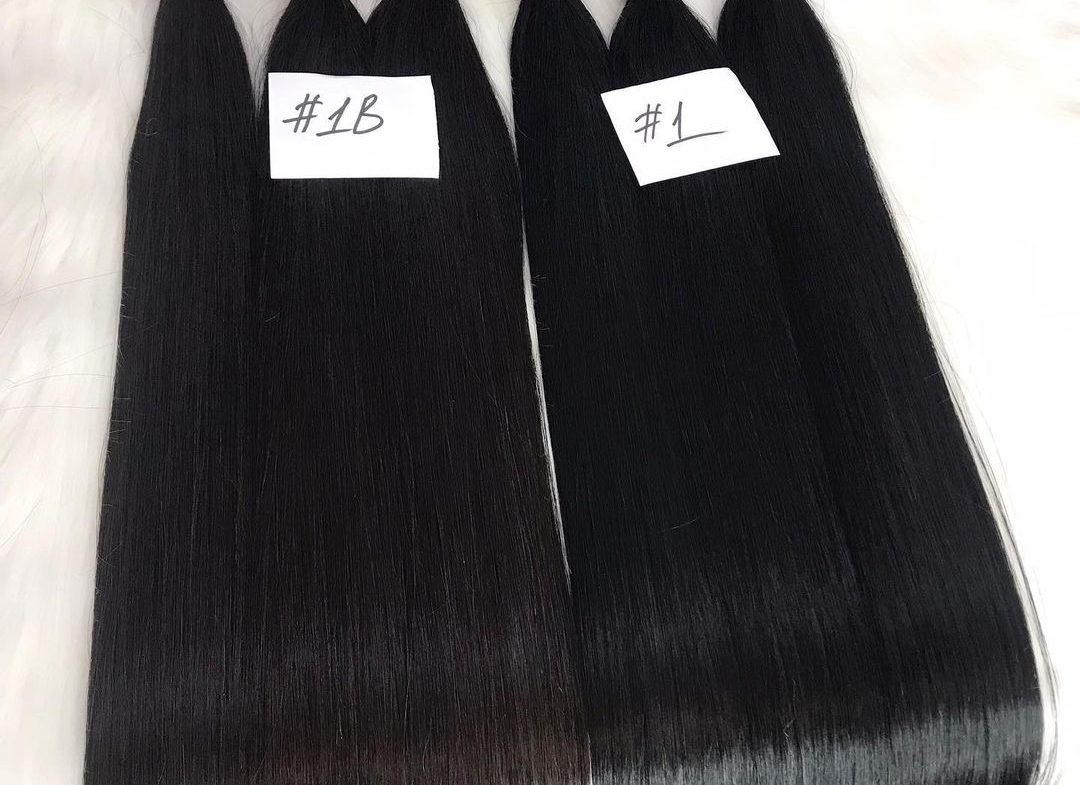
Hair extensions do not have to damage your natural hair — damage comes from how they’re applied, worn, and removed, not from extensions themselves. Worn correctly, with the right method for your hair and proper care, extensions are safe. Most problems trace back to a few avoidable causes: too much weight, extensions left in too long, rough removal, or poor-quality hair that tangles and pulls.
Quick orientation: damage is about tension and care, not extensions as such. Choose a method suited to your hair, don’t overload fine hair, keep up maintenance appointments, remove them properly, and use real human hair. Here’s what actually causes damage and how to avoid it.
What actually causes damage
The real culprit is tension — constant pulling on your natural hair from extensions that are too heavy or attached too tightly. Over time that stress can cause breakage at the attachment point or, in severe cases, traction alopecia (hair loss from persistent pulling). Other causes include leaving extensions in past their recommended window, so your natural shed hair tangles around the bonds; ripping them out instead of removing them properly; and cheap hair that tangles and drags on your own strands. None of these are inevitable — they’re all avoidable.
Choose the right method for your hair
The gentlest method depends on your hair. Clip-ins are the safest of all because you take them out daily, so there’s no lasting tension. Tape-ins spread weight over a wider area and are gentle when applied well, which suits finer hair. Keratin tips and other bonded methods are secure but concentrate weight on small sections, so they need careful placement. Heavy wefts on fine hair are the most likely to cause stress. Matching the method to your hair’s strength is the single biggest safety decision; our guide to extension methods compares them.
Don’t overload fine hair
Weight is what fine or fragile hair can’t tolerate. Adding too much length or density puts more load on each attachment point than thin strands can bear. If your hair is fine, choose a lighter method and less hair, and build up gradually rather than going for maximum length at once. Our guide to the best extensions for thin or fine hair covers safe choices.
Maintain, and remove them properly
Extensions need upkeep. Keep your maintenance appointments so bonds or tapes are moved up before your natural shed hair tangles around them, and never pull extensions out — bonded and taped methods need the right remover and technique so they slide out without taking your hair with them. Brush gently from the ends up, tie hair back at night, and keep the attachment points clean and dry. Treating extensions like your own hair is most of what keeps your hair healthy underneath.
Use real human hair
Quality matters for safety, not just looks. Cheap or synthetic hair tangles, mats, and drags on your natural strands, creating exactly the friction and tension that cause breakage. Smooth, cuticle-aligned human hair moves freely and is far gentler on the hair it’s attached to. It also lasts longer, so you’re not constantly reattaching — which itself reduces wear.
Frequently Asked Questions
Do hair extensions damage your natural hair?
Not inherently — extensions damage hair only when they’re too heavy, applied too tightly, left in too long, or removed roughly. Worn with the right method for your hair, proper maintenance, and gentle removal, extensions are safe. Most reported damage comes from tension or poor care, not from wearing extensions themselves.
Which hair extensions are least damaging?
Clip-ins are the least damaging because you remove them daily, so there’s no lasting tension on your hair. Tape-ins are gentle for finer hair because they spread weight over a wider area. Bonded methods like keratin tips are secure but concentrate weight, so they need careful application. Matching the method to your hair’s strength matters most.
Can hair extensions cause hair loss?
Extensions can contribute to hair loss only through prolonged tension — constant pulling from pieces that are too heavy or too tight can cause breakage or traction alopecia over time. This is avoidable by not overloading fine hair, keeping up maintenance, and removing extensions properly. Used correctly, extensions do not cause hair loss.
How do I wear extensions without damaging my hair?
Choose a method suited to your hair’s strength, don’t add more weight than fine hair can bear, keep maintenance appointments, and have extensions removed properly rather than pulling them out. Brush gently from the ends, tie hair back at night, and use real human hair that won’t tangle and drag. These habits keep your natural hair healthy.
Shop gentle, high-quality human hair
Nova Hair Factory makes smooth, cuticle-aligned human hair — including gentle tape-ins and clip-ins — that moves freely and won’t drag on your natural hair. Browse the full range, or message us on WhatsApp at +84 36 216 7992 to order or ask which method suits your hair.