 Nova Hair
 7 Hair Vendor Scams and How to Avoid Them
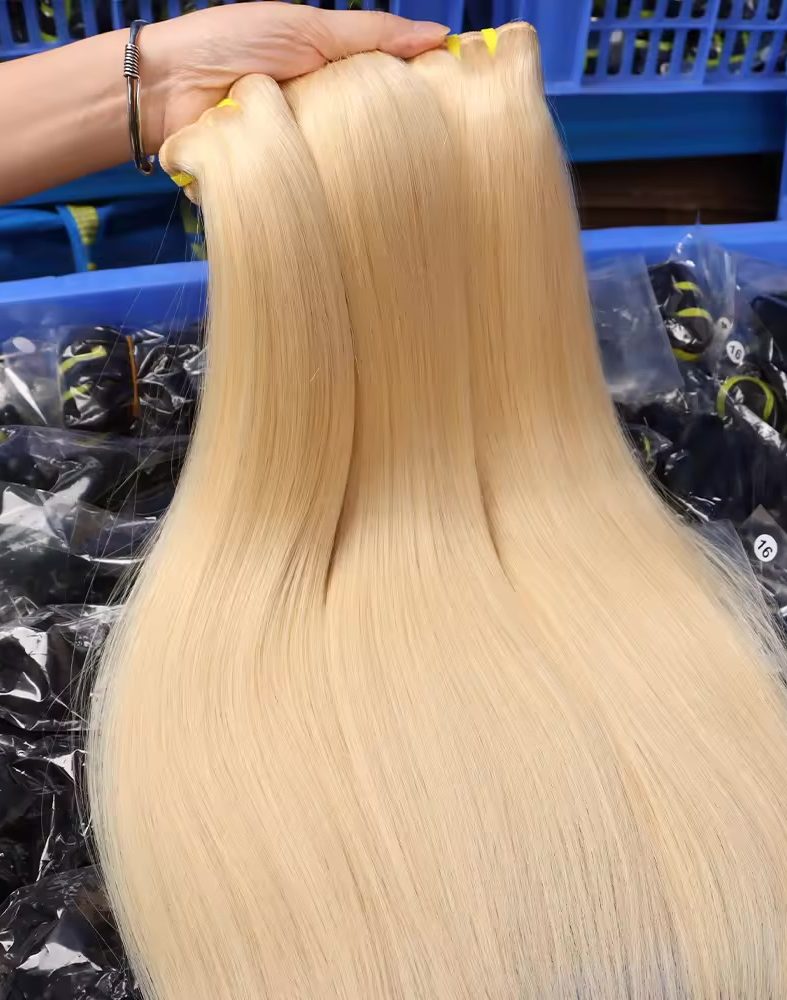
Hair vendor scams cost new buyers real money because the hair business attracts opportunists alongside legitimate factories, and a photo proves nothing about what ships. Most scams collapse under two checks: a bleach test on a sample and a request to see the vendor on a live video call. If a vendor dodges either, you have your answer before you have lost a cent.
This list covers the seven scams that catch buyers most often, and the specific check that exposes each one. The theme across all of them is the same: verify at the source, order a sample, and never send a large first payment to a vendor you cannot confirm is real.
1. Processed hair sold as “raw”
The most common scam is ordinary processed hair, acid-stripped and silicone-coated, sold at raw-hair prices. It photographs beautifully and feels soft for two weeks, then tangles, sheds, and dulls once the coating washes out. The check: run a bleach test on a sample. Genuine raw hair lifts to an even blonde with no dark strands, while processed hair turns gummy. Our guide to spotting fake raw hair covers the full protocol.
2. The stolen-photo vendor
Some “vendors” are not factories or even resellers, just someone reselling stock photos and stolen videos who disappears after payment. The check: ask for a live video call showing the hair and, if they claim to be a factory, the production floor. A real supplier can show you current stock on camera in minutes. Anyone who only ever sends the same polished photos and refuses a live call is hiding that they have no hair.
3. Sample-and-switch
Here the vendor sends a genuinely excellent sample, then ships a lower grade in the bulk order once you have paid. The check: place a small trial order between the sample and the bulk order, and inspect it against the sample. A trial order also tests whether the vendor films the packing, which honest factories do. Never jump straight from one sample to a large bulk order with a new supplier.
4. The “free” vendor list
Paid and “free” vendor lists promise the secret suppliers behind big brands, but many list resellers marked up as factories, or contacts who never respond. The check: treat any list as a starting point, not a verified source, and run every contact through the same sample-and-bleach-test process you would use for a vendor you found yourself. A list cannot replace testing. Start instead with how to find a hair vendor.
5. Reseller posing as a factory
Many sellers claim to be a factory to justify “factory-direct” pricing while actually buying from one and marking it up. It is not always a scam, but you overpay for a middle layer you did not know existed. The check: ask to see the factory on a live video call, ask specific production questions, and ask for custom work such as a specific length or colour. A real factory answers from the floor; a reseller deflects.
6. The disappearing deposit
A vendor asks for a large deposit or full payment upfront for a first order, takes it, and vanishes, or endlessly delays shipping. The check: keep first payments small, confirm the vendor accepts traceable payment methods, and complete a modest trial order before any large commitment. Be especially wary of a vendor who insists on only one untraceable payment method for a first-time order.
7. Origin fraud
A vendor labels cheaper hair as a premium origin, most often selling processed hair as “Vietnamese raw” or “Indian temple” to charge more. Origin claims are easy to make and hard to see in a photo. The check: judge the hair by testing, not the label, because a bleach test and a tangle check reveal quality regardless of the claimed country. Origin matters less than processing anyway, as we cover in Vietnamese vs Chinese vs Indian hair.
The two checks that stop most scams
Order a sample and test it, and insist on a live video call before a large payment. Almost every scam on this list fails one of those two. A legitimate factory welcomes both, because proof is how it wins wholesale buyers who have been burned before. Reselling and sampling take a little longer than clicking “buy,” and that friction is exactly what protects your money.
Frequently Asked Questions
How do I know if a hair vendor is legit?
Order a sample and run a bleach test on it, and ask the vendor for a live video call showing current stock or the production floor. A legitimate vendor welcomes both, while a scammer dodges one or the other. Keep first payments small and use a traceable payment method until you have completed a trial order.
Are hair vendor lists worth buying?
Hair vendor lists can be a starting point but are not a substitute for testing, because many list resellers marked up as factories or unresponsive contacts. Treat any list as leads to verify, and run every contact through a sample order and bleach test before committing. The list does not replace due diligence.
What is the most common hair vendor scam?
The most common scam is processed hair sold as raw: acid-stripped, silicone-coated hair that looks and feels premium for a couple of weeks, then tangles and sheds. A bleach test on a sample exposes it, because genuine raw hair lifts to an even blonde while processed hair turns gummy. Always test before you buy in bulk.
Should I pay a hair vendor upfront?
Keep first payments small and use traceable payment methods until you have completed a trial order and confirmed the vendor is legitimate. Be cautious of any vendor demanding a large deposit or full payment upfront for a first order, especially through a single untraceable method. Trust is earned through a successful trial order, not a big first payment.
Buy from a factory you can verify
Nova Hair Factory produces Vietnamese hair in Bắc Ninh and passes both scam-proof checks: we send samples, run a bleach test on camera, and offer a live WhatsApp video tour of the production floor before you pay. Compare our raw bundles and message us at +84 36 216 7992 to test a sample before any order.